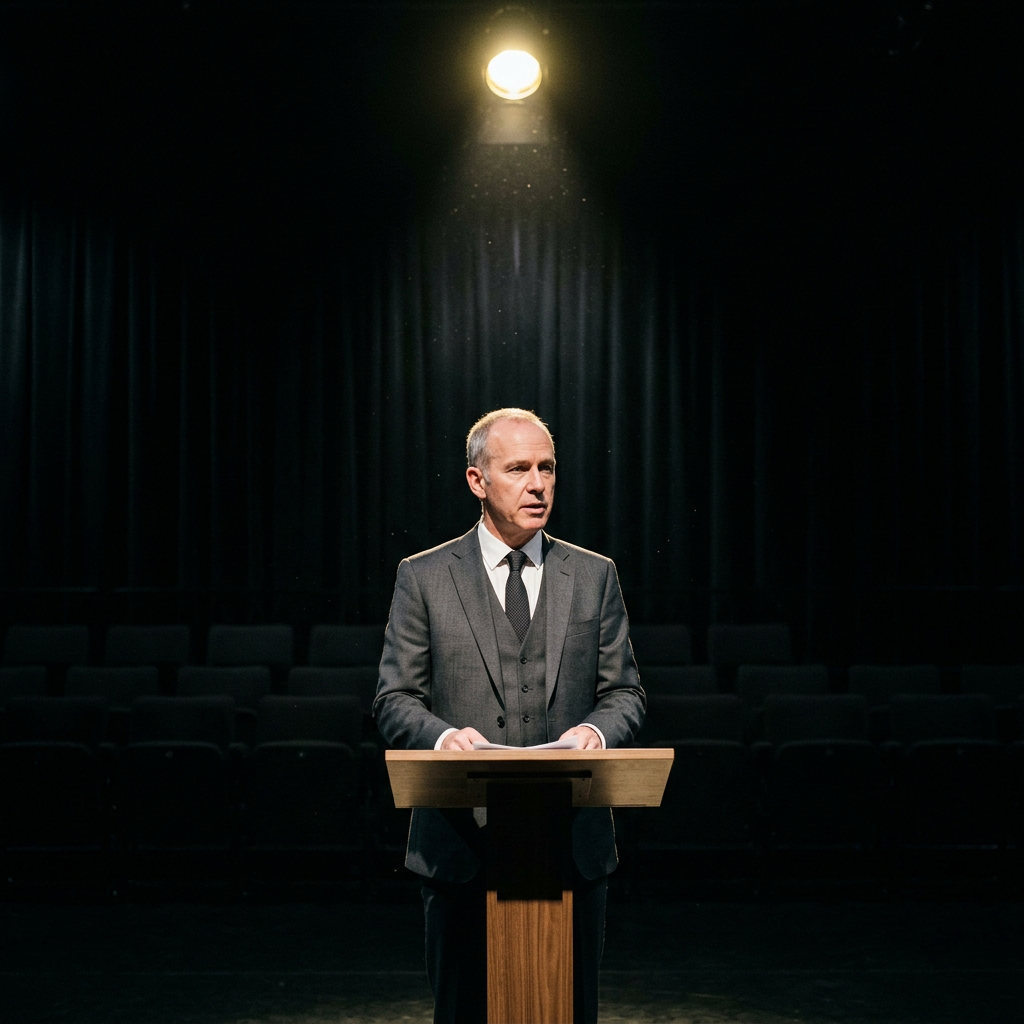
Tag: Professional Growth

  • The Loneliness Behind the Microphone

    The Loneliness Behind the Microphone

    A Personal Reflection

    After almost a decade in broadcasting, I’ve come to realise that one of the greatest misconceptions about the profession is that constant communication automatically creates connection.

    People hear your voice every day. They recognise your name. They may even feel like they know you personally.

    Yet behind every familiar voice is a human being navigating the same emotions, uncertainties, and challenges as everyone else.

    Some of the most important lessons I learned in broadcasting had very little to do with speaking into a microphone. They were about understanding people, building meaningful relationships, and recognising that genuine connection begins long before the “On Air” light comes on.

    This reflection is for every broadcaster who has ever felt that while the world heard their voice, very few people truly knew the person behind it.


    From the outside, broadcasting looks like one of the most connected professions in the world.

    Every day, broadcasters speak to hundreds or even thousands of people.

    They interview guests.

    They engage with callers.

    They laugh with co-hosts.

    They become familiar voices in homes, cars, and workplaces.

    It seems impossible that someone surrounded by so much interaction could ever feel lonely.

    Yet for many broadcasters, loneliness is one of the least talked-about realities of the profession.

    Not because they lack people around them.

    But because genuine connection is very different from constant communication.

    Being heard by thousands isn’t the same as being deeply known by a few.


    Always Talking, But Not Always Being Heard

    Broadcasting is built on communication.

    Every day, broadcasters share stories, ask questions, deliver information, and create conversations for their audiences.

    Ironically, many spend so much time communicating professionally that they have very few opportunities to simply be themselves.

    The microphone amplifies their voice.

    It doesn’t always create space for their own.

    Behind every polished broadcast is a person with fears, hopes, frustrations, and dreams—just like everyone else.

    Sometimes those parts remain unheard.


    When Recognition Doesn’t Equal Connection

    One of the unique experiences of broadcasting is being recognised by people you’ve never met.

    Someone might stop you at the supermarket and say they enjoy your show.

    A listener may tell you they feel like they’ve known you for years.

    Those moments are encouraging.

    They remind you that your work matters.

    But recognition is not the same as relationship.

    Many broadcasters are widely known without feeling deeply known.

    People recognise the voice.

    Few know the person behind it.


    The Pressure to Always Be “On”

    Broadcasters often become known for their energy, confidence, and composure.

    Listeners tune in expecting a familiar voice.

    A positive attitude.

    A calm presence.

    Even after the programme ends, that expectation can continue.

    At industry events, public appearances, or even everyday encounters, there can be an unspoken pressure to remain “on.”

    To be approachable.

    To be engaging.

    To always have something interesting to say.

    While professionalism is important, constantly performing can become emotionally exhausting.

    Everyone needs spaces where they can simply exist without feeling the need to entertain or inspire.


    Success Doesn’t Eliminate Loneliness

    It’s easy to assume that successful broadcasters have everything they need.

    Recognition.

    Respect.

    A loyal audience.

    But professional success and personal fulfilment are not the same thing.

    You can host a popular programme and still long for deeper conversations.

    You can interview remarkable people every day and still struggle to find someone who truly understands your own experiences.

    Loneliness does not disappear simply because your career is going well.


    The Changing Nature of Broadcasting

    Today’s broadcasting industry looks very different from what it did a decade ago.

    Many professionals work on short-term contracts.

    Some freelance across multiple organisations.

    Others balance broadcasting with content creation, voice-over work, or consulting.

    While these changes create exciting opportunities, they can also reduce the sense of belonging that once came from working in a close-knit team.

    As careers become more flexible, building intentional relationships becomes even more important.


    Building Community Beyond the Studio

    Perhaps one of the most valuable investments a broadcaster can make is not another piece of equipment or another professional qualification.

    It’s community.

    That might mean:

    • Staying connected with former colleagues.
    • Finding mentors who understand the industry.
    • Supporting younger broadcasters.
    • Joining professional networks.
    • Making time for friendships that have nothing to do with broadcasting.

    Careers are important.

    But they should never become our only source of connection.


    The Strength in Saying, “I’m Not Okay”

    For many broadcasters, vulnerability feels uncomfortable.

    After all, the profession often rewards confidence and composure.

    But there is strength in acknowledging that even the voices people admire sometimes need encouragement too.

    Looking after your wellbeing is not a sign of weakness.

    It’s part of building a sustainable career.

    The strongest broadcasters are not those who never struggle.

    They are the ones who recognise when they need support and dare to seek it.


    A Different Way to Think

    Perhaps the greatest gift broadcasting gives us is the ability to connect with people.

    The challenge is remembering to nurture those same connections in our own lives.

    Because while audiences may know our voices, the people closest to us should know our hearts.


    A Quiet Reminder

    The microphone amplifies your voice. It should never silence your need for genuine human connection.


    A Quiet Reflection

    Every broadcaster has a story beyond the microphone.

    This series is my invitation to reflect on the profession we love—the lessons it teaches us, the challenges it presents, and the opportunities it creates.

    Because building a meaningful career isn’t just about finding your voice.

    It’s about discovering who you are when the microphone is switched off.


    Continue the Conversation

    If this reflection resonated with you, it may be because you’ve discovered that broadcasting is about far more than what happens behind the microphone.

    It’s about people.

    It’s about purpose.

    And it’s about building a career that allows you to grow professionally without losing yourself personally.

    The conversations we have with our audiences are important—but so are the conversations we have with ourselves, our colleagues, and the people who truly know us.

    📘 Continue the Journey

    If you’re a broadcaster who wants to build a career that extends beyond traditional media, my book, From Broadcaster to Brand, explores how to transform your broadcasting experience into a personal brand, create new opportunities, and build a future you truly own.

    Whether you’re thinking about podcasting, content creation, entrepreneurship, or developing multiple income streams, this book will help you take the next step with confidence.

    📘 Get your copy on Amazon:

    👉🏽 https://www.amazon.com/author/kgalalelontumelang

    🤝 Work With Me

    I work with broadcasters, media professionals, and aspiring communicators who want to grow their careers and create opportunities beyond traditional broadcasting.

    My services include:

    • 🎙️ Podcast Coaching
    • 📻 Broadcasting & Personal Brand Coaching
    • 🎤 Voice-Over Services
    • ✍🏽 Language Editing & Proofreading
    • 🎓 Media Training & Communication Coaching

    Whether you’re launching your first podcast, building your personal brand, or preparing for your next career move, I’d love to help you unlock new opportunities. lelon@reflectionsinmotion.blog

    📩 Subscribe to Reflections in Motion

    If you enjoy thoughtful conversations about broadcasting, personal branding, career growth, leadership, and communication, consider subscribing to Reflections in Motion.

    New articles are published regularly to encourage broadcasters and media professionals to build meaningful careers, embrace change, and create opportunities that last far beyond the microphone.

    💬 I’d Love to Hear From You

    Have you ever experienced loneliness in a profession that seems so connected from the outside?

    What helped you build meaningful relationships again?

    Share your thoughts in the comments below. Your story may encourage someone else who needs to know they aren’t alone.

    LELO

  • Is Broadcasting Still a Dream Career?

    Is Broadcasting Still a Dream Career?


    There was a time when becoming a broadcaster was the ultimate dream.

    For many, hearing their voice on the radio or seeing themselves on television represented success. It was a career filled with excitement, influence, and the opportunity to connect with thousands—sometimes millions—of people.

    It wasn’t simply a job.

    It was a calling.

    For many of us, broadcasting wasn’t something we accidentally stumbled into. It was the career we imagined long before we ever stepped behind a microphone or into a studio.

    Today, that dream still exists.

    But it looks very different from the one many broadcasters imagined years ago.

    Technology has transformed the media landscape. Audiences consume content differently. Career paths are less predictable, and opportunities now exist far beyond traditional radio and television.

    So, is broadcasting still a dream career?

    I believe the answer is yes.

    But today’s dream requires a different mindset.


    The Industry Has Changed

    Broadcasting is no longer the only place where audiences consume content.

    People listen to podcasts while commuting.

    They watch interviews on YouTube.

    They follow breaking news on social media.

    They subscribe to newsletters.

    They discover personalities through short-form video platforms.

    The microphone is no longer the only way to reach an audience.

    Today’s broadcasters operate within a much larger content ecosystem.

    That isn’t something to fear.

    It’s something to embrace.

    The good news is that the skills developed in broadcasting are more valuable than ever—they’re simply being used in more places than before.


    The Skills Still Matter

    Despite all the technological changes, the core skills of broadcasting remain timeless.

    Great broadcasters know how to:

    • communicate clearly
    • tell compelling stories
    • ask meaningful questions
    • listen with intention
    • connect emotionally with an audience

    Those abilities never go out of style.

    What has changed is where they can be applied.

    Today’s broadcasters are succeeding in:

    • podcasting
    • digital media
    • corporate communications
    • content strategy
    • public speaking
    • media training
    • entrepreneurship
    • consulting

    The opportunities are broader than ever before.

    The microphone is no longer the destination.

    It’s often the starting point.


    Success Looks Different Today

    Years ago, success was often measured by the station you worked for or the programme you hosted.

    Those achievements are still worth celebrating.

    But they are no longer the only measure of success.

    Today’s broadcasters are building:

    • personal brands
    • podcasts
    • newsletters
    • online communities
    • consulting businesses
    • training companies
    • digital publications

    Success is becoming less about where you work…

    …and more about what you create.

    Broadcasters building long-term careers are increasingly becoming owners rather than simply employees.


    Job Security Is No Longer Guaranteed

    One of the biggest changes in broadcasting is how we think about career security.

    In the past, many professionals expected to spend decades with one employer.

    Today, contracts end.

    Budgets change.

    Technology evolves.

    Entire departments can disappear almost overnight.

    That’s why the safest career is no longer built solely on a job title.

    It’s built on assets that stay with you wherever you go.

    Your reputation.

    Your expertise.

    Your relationships.

    Your credibility.

    Your personal brand.

    Those are assets no restructuring can take away.


    Adaptability Is the New Career Advantage

    Every generation of broadcasters has faced change.

    Some resisted it.

    Others embraced it.

    History has shown which group tends to thrive.

    The broadcasters building sustainable careers remain curious.

    They keep learning.

    They experiment with new platforms.

    They explore emerging technologies.

    They develop new skills before they become essential.

    Experience provides a strong foundation.

    Adaptability keeps that experience relevant.

    The industry will continue changing.

    The question is whether we’re willing to change with it.


    Broadcasting Is Bigger Than Broadcasting

    Perhaps one of the biggest mindset shifts is recognising that broadcasting itself is no longer the finish line.

    It can become the foundation for something much bigger.

    A broadcaster can become:

    • an author
    • a trainer
    • a consultant
    • a keynote speaker
    • a content strategist
    • a business owner
    • a digital creator

    The skills transfer.

    The influence expands.

    The opportunities multiply.

    When broadcasters stop seeing themselves only as presenters and begin seeing themselves as communicators, entirely new possibilities emerge.


    So, Is It Still a Dream Career?

    Absolutely.

    But perhaps the dream has evolved.

    The dream is no longer simply landing a job at a respected station.

    The dream is building a career that reflects your passion, your expertise, and your ability to evolve.

    It’s creating opportunities instead of waiting for them.

    It’s owning your voice instead of depending on one platform.

    It’s recognising that broadcasting is not the end of your journey.

    It may be the beginning of something even greater.


    A Different Way to Think

    Perhaps we should stop asking whether broadcasting is still a dream career.

    Instead, we should ask:

    “Am I building a career that can grow with the industry?”

    Because careers built on learning, adaptability, visibility, and ownership will always have a future.


    A Quiet Reminder

    Broadcasting is still one of the most rewarding professions in the world.

    But the broadcasters who will thrive tomorrow are those who understand that the microphone is only the beginning of their story.


    Work With Me

    If your organisation is looking to strengthen its communication, leadership, fundraising performance, or team development, I’d love to help.

    I work with organisations, fundraising teams, media professionals, and leaders through training, coaching, speaking engagements, and strategic communication support.

    Whether you’re developing confident communicators, building stronger fundraising teams, or helping broadcasters grow beyond traditional media, let’s start the conversation.

    Let’s work together to build people, strengthen teams, and create lasting impact.


    Want to Go Further?

    If you’re interested in using communication and real-world experience to create income, I share more practical strategies in my eBooks.

    📘 Explore here: https://www.amazon.com/author/kgalalelontumelang


    Join the Conversation

    If you’ve enjoyed this article, consider subscribing to Reflections in Motion for weekly insights on broadcasting, leadership, fundraising, communication, and personal growth.

    I’d also love to hear your thoughts.

    Do you believe broadcasting is still a dream career? What has changed the most since you first entered—or dreamed of entering—the industry?

    Let’s continue the conversation in the comments.

    LELO


  • Why Experience Alone No Longer Guarantees Opportunities

    Why Experience Alone No Longer Guarantees Opportunities


    There was a time when experience was the ultimate currency in broadcasting.

    The formula seemed straightforward.

    Work hard.

    Gain experience.

    Build a solid reputation.

    Wait for opportunities to follow.

    For many years, that approach made sense.

    Experience signaled competence. It demonstrated commitment. It showed that you had weathered the challenges of the industry and earned your place within it.

    But the media landscape has changed.

    Experience still matters.

    In fact, it matters a great deal.

    The difference is that experience alone is no longer enough to guarantee opportunities.

    And for many broadcasters, that realization can be frustrating.


    The Rules Have Changed

    In the past, career progression often followed a predictable path.

    You gained experience, moved into bigger roles, expanded your responsibilities, and gradually built your reputation.

    Today, opportunities emerge from many different directions.

    A broadcaster with ten years of experience may find themselves competing with someone who has fewer years in the industry but a stronger digital presence, a larger professional network, or a more visible personal brand.

    That doesn’t mean experience has lost its value.

    It means the rules have evolved.


    Experience Is Valuable—But Invisible Experience Has Limits

    One of the biggest challenges facing experienced professionals is visibility.

    You may possess incredible skills.

    You may have years of knowledge.

    You may have interviewed hundreds of guests, managed complex productions, and developed expertise that cannot be taught in a classroom.

    But if people cannot see that expertise, they cannot fully appreciate its value.

    Experience hidden behind a microphone, office door, or job title can easily go unnoticed outside your immediate environment.

    In today’s world, visibility helps experience travel further.


    Adaptability Has Become a Competitive Advantage

    The broadcasting industry is evolving faster than ever.

    New platforms emerge.

    Audience habits change.

    Technology transforms how content is created and consumed.

    The professionals who continue to thrive are often those who remain curious.

    They understand that learning doesn’t stop after a certain number of years in the industry.

    They continue to:

    • develop new skills
    • explore new platforms
    • experiment with new formats
    • adapt to changing audience expectations

    Experience provides a foundation.

    Adaptability builds on it.


    Relationships Create Opportunities

    Many opportunities do not come from job applications or formal processes.

    They come from conversations.

    Recommendations.

    Collaborations.

    Professional relationships.

    The broadcaster who invests in meaningful connections often creates opportunities that experience alone cannot unlock.

    People work with those they know, trust, and remember.

    That’s why relationships remain one of the most valuable assets a professional can build.


    Visibility Amplifies Experience

    Think about two broadcasters.

    Both have fifteen years of experience.

    Both are highly skilled.

    Both have strong professional reputations.

    The difference is that one actively shares insights, contributes to industry conversations, and builds a visible presence beyond their employer.

    The other remains largely unseen outside their immediate role.

    Who is more likely to attract new opportunities?

    In many cases, it will be the person whose experience is visible.

    Not because they are more talented.

    Because more people understand the value they bring.


    Building a Brand Doesn’t Replace Experience

    Some professionals worry that personal branding is about self-promotion.

    But effective branding is not about exaggerating your achievements.

    It’s about making your expertise accessible.

    It’s about helping people understand:

    • who you are
    • what you do
    • what you stand for
    • how you create value

    A strong personal brand doesn’t replace experience.

    It amplifies it.


    A Different Way to Think

    Perhaps the goal should not be to choose between experience and visibility.

    The goal is to combine them.

    Experience gives you credibility.

    Visibility gives you reach.

    Adaptability keeps you relevant.

    Relationships create opportunities.

    Together, they create a career that can grow beyond any single platform or position.


    Final Thoughts

    The broadcasting industry is still full of opportunities.

    But the path to those opportunities has changed.

    Experience remains incredibly valuable.

    Yet expertise that remains hidden can only take you so far.

    The professionals who thrive today are often those who combine deep experience with visibility, adaptability, and meaningful relationships.

    They don’t just build careers.

    They build ecosystems of opportunity around their skills and knowledge.

    Because in today’s world, being experienced is important.

    Being visible is what helps that experience create new possibilities.


    A Quiet Reminder

    Experience remains one of your greatest assets.

    But assets create the most value when people can see them, understand them, and connect them to opportunities.

    The goal is not simply to accumulate experience.

    The goal is to position that experience where it can be discovered, appreciated, and rewarded.


    A Quiet Invitation

    If this reflection resonates, it may be because you’ve spent years building valuable experience and are now wondering how to make that experience work harder for you.

    From Broadcaster to Brand explores how broadcasters can transform their expertise into long-term opportunities by combining experience with visibility, ownership, and intentional growth.

    📘 Find From Broadcaster to Brand on Amazon here:

    👉🏽 https://www.amazon.com/author/kgalalelontumelang

    If you’d like more reflections like this, consider subscribing to the blog.

    Reflections In Motion is a space for broadcasters who want to build careers that grow with them—not just around them.

    💬 I’d love to hear from you:

    Do you think experience alone is still enough in today’s broadcasting industry, or has visibility become just as important?


    Want to Go Further?

    If you’re interested in using communication, broadcasting, and real-world experience to create new income streams and opportunities, I share practical strategies in my eBooks.

    📘 Explore here:

    👉🏽 https://www.amazon.com/author/kgalalelontumelang


    Work With Me

    Your experience has value far beyond your current role.

    I work with broadcasters, media professionals, content creators, and communicators who want to turn their expertise into opportunities through personal branding, content strategy, and professional positioning.

    Whether you’re:

    • building a personal brand
    • launching a blog or podcast
    • creating thought leadership content
    • positioning yourself as an industry expert
    • or exploring new career opportunities

    I can help you develop a strategy that turns visibility into growth.

    Services Include

    • Personal brand development
    • Content strategy
    • Communication coaching
    • Career positioning
    • Digital platform growth

    📧 Work with me: lelon@reflectionsinmotion.blog

    LELO


  • The Leader Your Team Needs, Not the Boss They Fear

    The Leader Your Team Needs, Not the Boss They Fear

    Every fundraising team has targets to meet.

    There are donors to engage, campaigns to deliver, and expectations to exceed. In the pursuit of these goals, it can be tempting for leaders to believe that pressure is the quickest path to performance.

    Raise your voice.

    Demand more.

    Point out mistakes.

    Remind the team of what’s at stake.

    For a short while, these tactics may produce results.

    But over time, they often produce something else: fear.

    And fear is a poor foundation for lasting success.

    The best fundraising teams are not driven by intimidation.

    They are inspired by leadership.


    There Is a Difference Between a Boss and a Leader

    A boss tells people what to do.

    A leader shows people how it can be done.

    A boss measures worth by numbers alone.

    A leader understands that behind every number is a person with strengths, challenges, and untapped potential.

    In fundraising, where rejection is common and resilience is tested daily, the way a leader responds to setbacks can shape the entire culture of a team.

    When people fear making mistakes, they stop taking initiative.

    When they feel supported, they become more willing to learn, grow, and improve.

    Leadership creates confidence.

    Fear creates compliance.

    And confidence will always outlast compliance.


    Leadership Begins With Example

    Team members notice everything.

    They notice whether their leader arrives on time.

    They notice how their leader treats donors.

    They notice how setbacks are handled and how success is celebrated.

    A leader who expects professionalism must demonstrate professionalism.

    A leader who demands positivity must model positivity.

    And a leader who wants accountability must first be accountable themselves.

    The most effective leaders never ask their team to do something they would not be willing to do themselves.

    People follow actions far more willingly than instructions.


    Coaching Builds Confidence

    When a fundraiser struggles, the easiest response is criticism.

    “You’re not talking to enough people.”

    “You need to work harder.”

    “You’re not hitting your targets.”

    While feedback is important, criticism without guidance rarely leads to improvement.

    Coaching takes a different approach.

    It asks:

    • What challenges are you facing?
    • Which part of the conversation feels difficult?
    • How can we improve together?
    • What support would help you perform better?

    Instead of dwelling on mistakes, coaching focuses on growth.

    It transforms setbacks into learning opportunities.

    And in doing so, it builds confidence instead of fear.


    Recognition Is More Powerful Than Many Leaders Realise

    Too often, leaders only speak up when something goes wrong.

    The result is a team that associates leadership with correction rather than encouragement.

    Recognition changes that dynamic.

    Celebrate the fundraiser who handled a difficult conversation with professionalism.

    Acknowledge the team member who stayed positive after multiple rejections.

    Recognise consistency, resilience, collaboration, and effort—not just results.

    When people feel valued, motivation becomes internal rather than imposed.

    They strive for excellence because they feel connected to both the mission and the people leading it.


    Trust Creates High-Performing Teams

    Trust cannot be demanded.

    It must be earned.

    When leaders keep their promises, communicate honestly, and treat everyone fairly, trust grows naturally.

    That trust creates an environment where people feel safe to ask questions, admit mistakes, and seek support.

    Ironically, the teams that are least afraid of failure are often the ones that improve the fastest.

    Because they spend less energy hiding weaknesses and more energy learning from them.


    Leadership Is Tested During Difficult Times

    It is easy to lead when everyone is exceeding targets.

    The real test comes when morale is low.

    Perhaps donations have slowed.

    Perhaps weather conditions have reduced foot traffic.

    Perhaps the team has experienced several discouraging days in a row.

    This is when leadership matters most.

    Do you blame or encourage?

    Do you create panic or provide perspective?

    Do you focus only on today’s numbers, or do you remind the team why their work matters?

    The words spoken during difficult moments often become the culture people remember.


    Develop People, Not Just Performance

    The best leaders understand that targets are temporary.

    People are long-term investments.

    When you invest in someone’s communication skills, confidence, emotional resilience, and professional development, you create benefits that extend far beyond today’s campaign.

    An empowered fundraiser is more likely to remain committed, mentor others, and contribute positively to the entire team.

    Leadership is not simply about achieving results.

    It is about developing people who are capable of achieving even greater results tomorrow.


    The Legacy of Leadership

    Years from now, your team may not remember every campaign they worked on.

    They may not remember every weekly target or performance report.

    But they will remember how you made them feel.

    They will remember whether you believed in them when they doubted themselves.

    They will remember whether you corrected with respect or criticised without compassion.

    They will remember whether you led with integrity.

    That is the true legacy of leadership.


    Final Thoughts

    A title may give someone authority.

    But it does not automatically make them a leader.

    Real leadership is earned through consistency, empathy, accountability, and example.

    The fundraising teams that thrive over time are rarely those led by fear.

    They are the ones led by people who inspire trust, encourage growth, and understand that success is built one conversation—and one person—at a time.

    Be the leader your team needs.

    Not the boss they fear.


    A Quiet Reminder

    The greatest leaders don’t create followers.

    They create more leaders.

    When you invest in your team’s confidence, skills, and wellbeing, you build a culture that outlasts any campaign or quarterly target.

    People may forget what you demanded.

    But they will remember how you inspired them to believe in themselves.


    A Quiet Invitation

    If this reflection resonates, it may be because you’ve experienced both styles of leadership—and you know the difference they make.

    Reflections In Motion is a space for thoughtful conversations about fundraising, leadership, communication, and the human side of building high-performing teams.

    💬 I’d love to hear from you:

    What’s the most valuable lesson a great leader has ever taught you?


    Want to Go Further?

    If you’re interested in using communication, leadership, and real-world experience to create greater impact, I share more practical strategies in my eBooks.

    📘 Explore here:

    👉🏽 https://www.amazon.com/author/kgalalelontumelang


    Work With Me

    Strong teams don’t happen by accident.

    They are built through intentional leadership, effective communication, and a culture that values both performance and people.

    I work with fundraising organisations, team leaders, and professionals who want to strengthen leadership, improve communication, and create environments where people can thrive.

    Whether you’re:

    • leading a face-to-face fundraising team
    • coaching new fundraisers
    • developing future leaders
    • or looking to build a healthier team culture

    I can help you create practical strategies that drive sustainable success.

    Services Include

    • Leadership coaching
    • Team development workshops
    • Communication and presentation skills
    • Fundraising strategy support
    • Personal and professional development

    📧 Work with me: lelon@reflectionsinmotion.blog

    LELO


  • The Dangerous Comfort of Being “Known”

    The Dangerous Comfort of Being “Known”

    In broadcasting, recognition can feel like success.

    People know your voice.
    They recognise your name.
    They associate you with a specific show, station, or time slot.

    And for a while, that recognition feels reassuring.

    It feels like progress.

    But sometimes, comfort hides inside recognition so quietly that you don’t notice it until much later.

    Because being known and growing are not always the same thing.


    When Recognition Starts Feeling Safe

    At the beginning of a broadcasting career, visibility feels exciting.

    You work hard for it.

    You want:

    • people to remember you
    • audiences to connect with you
    • your voice to become familiar

    And when that finally happens, it feels rewarding.

    Naturally so.

    But over time, familiarity can create a subtle kind of comfort:
    The comfort of staying where people already know you.


    The Hidden Risk of Familiarity

    The danger is not recognition itself.

    The danger is what sometimes happens after it.

    You stop exploring.
    You stop stretching yourself.
    You stop building beyond the environment that already validates you.

    Not because you’ve stopped caring.

    But because comfort can quietly convince you that where you are is enough.

    And in industries that evolve quickly, comfort can become expensive.

    Some broadcasters spend years protecting recognition that they stopped growing long ago.


    When “Known” Becomes Your Identity

    Many broadcasters unintentionally tie their identity to familiarity.

    To:

    • a station
    • a format
    • a routine
    • an audience that already expects them in a certain role

    Over time, being recognised in that environment starts feeling permanent.

    But platforms change.
    Audiences shift.
    Industries evolve.

    And if your growth has stopped while your recognition stayed the same, the transition becomes difficult.

    Because you built familiarity — but not expansion.


    The Difference Between Recognition and Growth

    Recognition means people know you.

    Growth means you are still developing beyond what people already know.

    That development might look like:

    • building outside the studio
    • learning new skills
    • creating independent platforms
    • expanding your thinking
    • evolving your voice beyond one environment

    Growth requires movement.

    Comfort prefers repetition.


    Why Reinvention Feels Uncomfortable

    Reinvention is difficult when recognition already exists.

    Because growth often requires becoming a beginner again.

    It asks you to:

    • try unfamiliar things
    • build new audiences
    • risk not being immediately understood

    And many people avoid that discomfort because being “known” feels safer.

    But safety can sometimes slow transformation.


    The Industry Moves Faster Than Comfort

    Broadcasting changes constantly.

    Technology changes.
    Audience behaviour changes.
    Platforms change.

    What works today may not hold the same value tomorrow.

    And broadcasters who only invest in maintaining familiarity often struggle when the industry moves ahead of them.

    Not because they lack talent.

    But because they stopped evolving.


    A Different Way to Think

    Recognition should not become a resting place.

    It should become a foundation.

    Something you build from — not something you hide inside.

    Because the goal is not simply to remain known.

    The goal is to remain valuable, adaptable, and relevant as the industry changes.


    A Quiet Reminder

    Being known is valuable.

    But growth matters more.

    Because recognition can open doors.

    Growth is what keeps you moving when those doors change.


    A Quiet Invitation

    If this reflection resonates, it may be because you’ve started questioning whether familiarity has quietly become comfort.

    From Broadcaster to Brand explores how broadcasters can continue evolving beyond recognition — towards ownership, adaptability, and long-term sustainability.

    📘 Find From Broadcaster to Brand on Amazon here:
    👉🏽 https://www.amazon.com/author/kgalalelontumelang

    If you’d like more reflections like this, consider subscribing to the blog. Reflections In Motion is a space for broadcasters learning to grow beyond familiarity — and build with intention.

    💬 I’d love to hear from you:
    Do you think recognition sometimes makes people too comfortable to evolve?


    Work With Me

    I help professionals turn their communication skills into income through storytelling, personal branding, and strategic positioning.

    Whether you are:

    • a broadcaster trying to grow beyond one platform
    • a professional looking to strengthen your personal brand
    • or someone trying to position your skills more effectively

    I can help you build with more clarity and direction.

    Services Include:

    • CV & personal brand enhancement
    • LinkedIn/profile positioning
    • Content and communication strategy
    • Brand direction for broadcasters and creatives

    📧 Contact: lelon@reflectionsinmotion.blog

    LELO