Tag: personal branding

  • The Pressure of Always Needing to Sound Confident

    The Pressure of Always Needing to Sound Confident

    In broadcasting, confidence is expected.

    Not occasionally.
    Not only on good days.

    Always.

    Your voice must sound steady.
    Your tone must sound controlled.
    Your energy must sound present.

    Even when your mind feels uncertain.

    Over time, that expectation creates a pressure many broadcasters rarely talk about:

    The pressure of always needing to sound okay.


    Confidence Becomes Part of the Job

    Listeners may never see your face.

    But they hear your emotional state through your voice.

    That means broadcasters quickly learn how to:

    • sound calm under pressure
    • sounds energetic when tired
    • sound certain even when unsure

    It becomes part of the profession.

    You are expected to carry the atmosphere of the show regardless of what is happening internally.


    Sounding Confident vs Feeling Confident

    One of the biggest differences broadcasters learn to manage is this:

    Sounding confident is a skill.
    Feeling confident is emotional.

    And the two are not always connected.

    There are moments when:

    • Your delivery sounds strong
    • Your tone sounds controlled
    • Your audience hears certainty

    while internally, you are still trying to figure things out yourself.

    That gap can become emotionally exhausting if it is never acknowledged.


    The Emotional Fatigue Nobody Hears

    Broadcasting requires emotional consistency.

    The audience expects:

    • stability
    • clarity
    • presence

    And because the work is public-facing, vulnerability can feel risky.

    So many broadcasters continue performing professionally while quietly carrying:

    • stress
    • uncertainty
    • burnout
    • fear about the future

    Not because they are pretending.

    But because the industry conditions you to keep your voice steady no matter what.


    Why Broadcasters Rarely Talk About It

    There is an unspoken belief in the media that composure equals strength.

    If your voice remains controlled, then everything must be fine.

    As a result, many broadcasters become skilled at hiding uncertainty behind professionalism.

    But constantly suppressing what you feel can slowly disconnect you from yourself.

    Especially when people only respond to the version of you that sounds confident.


    When Performance Starts Replacing Authenticity

    Over time, some broadcasters begin performing instead of building confidence.

    The voice becomes polished.
    The delivery becomes automatic.

    But internally, there is very little stability underneath it.

    Because real confidence is not built through performance alone.

    It is built through:

    • self-awareness
    • growth
    • ownership
    • clarity about who you are beyond the mic

    The Difference Between Public Confidence and Personal Security

    Public confidence can attract attention.

    But personal security is what sustains you when things become uncertain.

    That kind of confidence does not come from:

    • applause
    • recognition
    • audience reactions

    It comes from knowing:

    • your value
    • your adaptability
    • your identity beyond the platform

    And that takes deeper work than simply sounding polished.


    A Different Way to Think

    Broadcasters do not need to stop sounding confident.

    But perhaps there should be more space to acknowledge that confidence is not constant.

    Behind many steady voices are human beings still learning, adjusting, and growing like everyone else.

    And that does not make them weak.

    It makes them real.


    A Quiet Reminder

    Sometimes the strongest thing a broadcaster can do is stop believing they must sound certain all the time.

    Because the strongest voices are not always the ones that sound the most certain.

    Sometimes they are the ones learning how to remain honest while still showing up.


    A Quiet Invitation

    If this reflection resonates, it may be because you’ve experienced the quiet pressure of needing to sound composed while carrying uncertainty internally.

    From Broadcaster to Brand explores how broadcasters can build deeper confidence — confidence rooted not just in performance, but in identity, ownership, and long-term growth.

    📘 Find From Broadcaster to Brand on Amazon here:
    👉🏽 https://www.amazon.com/author/kgalalelontumelang

    If you’d like more reflections like this, consider subscribing to the blog. Reflections In Motion is a space for honest conversations about broadcasting, identity, and building a career that feels sustainable both publicly and personally.

    💬 I’d love to hear from you:
    Have you ever felt pressure to sound okay even when you weren’t?


    Work With Me

    I help professionals turn their communication skills into income through storytelling, personal branding, and strategic positioning.

    Whether you are:

    • a broadcaster trying to grow beyond one platform
    • a creative building a stronger personal identity
    • or a professional learning how to position your skills more intentionally

    I can help you build with greater clarity and confidence.

    Services Include:

    • CV & personal brand enhancement
    • LinkedIn/profile positioning
    • Content and communication strategy
    • Brand direction for broadcasters and creatives

    📧 Contact: lelon@reflectionsinmotion.blog

    LELO

  • How to Get Your First Client Using Your Skills

    How to Get Your First Client Using Your Skills

    One of the biggest frustrations many talented people experience is this:

    You know you have skills.
    You know you can help people.
    But nobody seems willing to pay you yet.

    And because there’s no client, it’s easy to start doubting yourself.

    But getting your first client is usually less about talent — and more about positioning, visibility, and clarity.

    Most people are more capable than they realise.

    The problem is that their skills remain invisible, unstructured, or difficult to understand.


    Stop Waiting to “Feel Ready”

    Many people delay putting themselves out there because they believe they need:

    • more experience
    • more confidence
    • more certifications
    • a perfect plan

    But readiness is often built through action, not before it.

    Your first client rarely comes when everything feels perfect.

    It usually comes after you finally decide to start.


    Start With Skills You Already Have

    People often overlook valuable skills because those skills feel normal to them.

    But what feels ordinary to you may still solve a problem for someone else.

    Skills like:

    • writing
    • communication
    • organising
    • editing
    • speaking
    • content creation
    • social media management
    • fundraising
    • storytelling

    all have value when positioned correctly.

    The question is not:

    “Do I have skills?”

    The question is:

    “What problems can my skills solve?”


    Make Your Skill Easy to Understand

    One of the biggest mistakes people make is describing themselves too broadly.

    Saying:

    “I do many things”

    usually creates confusion.

    Clarity attracts opportunities.

    Instead of trying to explain everything, simplify your value.

    For example:

    • “I help professionals improve their CVs and personal branding.”
    • “I help small businesses create content.”
    • “I help people communicate their ideas more clearly.”

    People respond faster when they quickly understand what you do.


    Visibility Matters More Than Perfection

    Many talented people stay invisible because they keep waiting for the “right time” to post, share, or promote themselves.

    Meanwhile, less experienced people grow simply because they are visible consistently.

    Your first client may come from:

    • a social media post
    • a conversation
    • a referral
    • someone quietly observing your work online

    But none of that happens if nobody knows what you do.


    Start Small

    Your first client does not need to change your life financially.

    What matters first is proof.

    Proof that:

    • Someone trusts your ability
    • Your skill has value
    • People are willing to pay for what you offer

    Even a small first project changes your mindset.

    Because once one person pays you, the possibility becomes real.


    Don’t Underestimate Relationships

    Many first clients come through existing connections.

    People already know:

    • your work ethic
    • your communication style
    • your reliability

    Sometimes the opportunity is closer than you think.

    This is why relationships matter.

    Not in a manipulative way — but in a human way.

    People prefer working with those they trust.


    Confidence Grows Through Experience

    Many people think confidence comes first.

    Usually, it doesn’t.

    Confidence grows after:

    • trying
    • learning
    • adjusting
    • improving

    Your first client is not the final destination.

    It is the beginning of learning how to position yourself more effectively.


    A Different Way to Think

    Instead of asking:

    “Who will give me a chance?”

    Ask:

    “How can I communicate my value more clearly?”

    That shift changes everything.

    Because clients are not looking for perfection.

    They are looking for solutions.


    Final Thoughts

    Your skills already have value.

    The challenge is not becoming talented overnight.

    The challenge is learning how to:

    • position your ability
    • communicate your value
    • and allow yourself to be seen

    Because opportunities rarely find people who remain hidden.


    Work With Me

    I help professionals turn their communication skills into income through storytelling, personal branding, and strategic positioning.

    Whether you need help with:

    • CV enhancement
    • personal branding
    • content direction
    • or positioning your skills more clearly

    I can help you build with more clarity and confidence.

    📧 Contact: lelon@reflectionsinmotion.blog

    LELO

  • Why Some Broadcasters Stay Busy But Never Really Grow

    Why Some Broadcasters Stay Busy But Never Really Grow

    Broadcasting is a busy profession.

    There is always something happening.

    A show to prepare for.
    Content to create.
    Meetings to attend.
    Deadlines to meet.

    From the outside, constant movement can look like progress.

    And sometimes, it is.

    But not always.

    Because being busy and growing are not the same thing.


    When Activity Starts Replacing Intention

    Many broadcasters become experts at staying occupied.

    The routine becomes familiar:

    • wake up
    • prepare
    • go on air
    • repeat

    Over time, the cycle becomes normal.

    And because the work is constant, it’s easy to assume growth is happening automatically.

    But movement alone does not guarantee development.

    Sometimes it simply maintains the current position.

    Routine can sometimes disguise stagnation as progress.


    The Comfort of Staying in Motion

    Busyness can feel productive because it leaves little room to pause.

    And when you never pause, you rarely ask difficult questions.

    Questions like:

    • Am I evolving?
    • What am I building beyond this routine?
    • If nothing changed in the next five years, would I be satisfied?

    Constant activity can protect you from discomfort.

    But it can also delay necessary reflection.


    Repetition Is Not Always Growth

    Experience matters.

    But repeating the same process for years is not automatically growth.

    Growth usually involves:

    • learning new skills
    • expanding your thinking
    • trying unfamiliar things
    • building beyond what already feels comfortable

    Without that expansion, even a busy career can become stagnant.

    Quietly.


    Survival Mode vs Intentional Growth

    Some broadcasters become so focused on maintaining their current position that they stop building for the future.

    The goal becomes:

    • staying relevant
    • staying employed
    • staying visible

    And while those things matter, survival is not the same as growth.

    Growth requires intention.

    It asks:

    What am I becoming beyond my current role?


    When There’s No Space to Build Outside the Studio

    One of the biggest consequences of constant busyness is that nothing gets built outside the platform.

    No independent projects.
    No personal platform.
    No long-term structure.

    Everything exists inside the routine.

    So even though the career looks active, it remains dependent on the same environment year after year.


    Why Reflection Matters

    Growth is not only created through action.

    It is also created through awareness.

    Sometimes the most important thing a broadcaster can do is pause long enough to evaluate:

    • where they are
    • where they are going
    • whether their current movement actually aligns with the future they want

    Because without reflection, it’s possible to stay busy for years while quietly remaining in the same place.


    A Different Way to Think

    Busyness should support growth — not replace it.

    The goal is not simply to keep moving.

    It is to move with direction.

    To build intentionally.
    To evolve consciously.
    To create something beyond routine.


    A Quiet Reminder

    Being constantly occupied can feel reassuring.

    But growth usually begins the moment you stop long enough to ask whether your movement still has purpose.


    A Quiet Invitation

    If this reflection resonates, it may be because you’ve started questioning whether your routine is helping you grow — or simply helping you stay busy.

    From Broadcaster to Brand explores how broadcasters can move beyond routine and begin building with greater clarity, ownership, and intention.

    📘 Find From Broadcaster to Brand on Amazon here:
    👉🏽 https://www.amazon.com/author/kgalalelontumelang

    If you’d like more reflections like this, consider subscribing to Reflections In Motion. It’s a space for broadcasters who want to grow intentionally — not just stay active.

    💬 I’d love to hear from you:
    Have you ever realised you were busy… but not necessarily growing?


    Work With Me

    I help professionals turn their communication skills into income through storytelling, personal branding, and strategic positioning.

    Whether you are:

    • a broadcaster trying to grow beyond one platform
    • a creative building an independent identity
    • or a professional looking to position your skills more intentionally

    I can help you build with greater clarity and direction.

    Services Include:

    • CV & personal brand enhancement
    • LinkedIn/profile positioning
    • Content and communication strategy
    • Brand direction for broadcasters and creatives

    📧 Contact: lelon@reflectionsinmotion.blog

    LELO

  • The Dangerous Comfort of Being “Known”

    The Dangerous Comfort of Being “Known”

    In broadcasting, recognition can feel like success.

    People know your voice.
    They recognise your name.
    They associate you with a specific show, station, or time slot.

    And for a while, that recognition feels reassuring.

    It feels like progress.

    But sometimes, comfort hides inside recognition so quietly that you don’t notice it until much later.

    Because being known and growing are not always the same thing.


    When Recognition Starts Feeling Safe

    At the beginning of a broadcasting career, visibility feels exciting.

    You work hard for it.

    You want:

    • people to remember you
    • audiences to connect with you
    • your voice to become familiar

    And when that finally happens, it feels rewarding.

    Naturally so.

    But over time, familiarity can create a subtle kind of comfort:
    The comfort of staying where people already know you.


    The Hidden Risk of Familiarity

    The danger is not recognition itself.

    The danger is what sometimes happens after it.

    You stop exploring.
    You stop stretching yourself.
    You stop building beyond the environment that already validates you.

    Not because you’ve stopped caring.

    But because comfort can quietly convince you that where you are is enough.

    And in industries that evolve quickly, comfort can become expensive.

    Some broadcasters spend years protecting recognition that they stopped growing long ago.


    When “Known” Becomes Your Identity

    Many broadcasters unintentionally tie their identity to familiarity.

    To:

    • a station
    • a format
    • a routine
    • an audience that already expects them in a certain role

    Over time, being recognised in that environment starts feeling permanent.

    But platforms change.
    Audiences shift.
    Industries evolve.

    And if your growth has stopped while your recognition stayed the same, the transition becomes difficult.

    Because you built familiarity — but not expansion.


    The Difference Between Recognition and Growth

    Recognition means people know you.

    Growth means you are still developing beyond what people already know.

    That development might look like:

    • building outside the studio
    • learning new skills
    • creating independent platforms
    • expanding your thinking
    • evolving your voice beyond one environment

    Growth requires movement.

    Comfort prefers repetition.


    Why Reinvention Feels Uncomfortable

    Reinvention is difficult when recognition already exists.

    Because growth often requires becoming a beginner again.

    It asks you to:

    • try unfamiliar things
    • build new audiences
    • risk not being immediately understood

    And many people avoid that discomfort because being “known” feels safer.

    But safety can sometimes slow transformation.


    The Industry Moves Faster Than Comfort

    Broadcasting changes constantly.

    Technology changes.
    Audience behaviour changes.
    Platforms change.

    What works today may not hold the same value tomorrow.

    And broadcasters who only invest in maintaining familiarity often struggle when the industry moves ahead of them.

    Not because they lack talent.

    But because they stopped evolving.


    A Different Way to Think

    Recognition should not become a resting place.

    It should become a foundation.

    Something you build from — not something you hide inside.

    Because the goal is not simply to remain known.

    The goal is to remain valuable, adaptable, and relevant as the industry changes.


    A Quiet Reminder

    Being known is valuable.

    But growth matters more.

    Because recognition can open doors.

    Growth is what keeps you moving when those doors change.


    A Quiet Invitation

    If this reflection resonates, it may be because you’ve started questioning whether familiarity has quietly become comfort.

    From Broadcaster to Brand explores how broadcasters can continue evolving beyond recognition — towards ownership, adaptability, and long-term sustainability.

    📘 Find From Broadcaster to Brand on Amazon here:
    👉🏽 https://www.amazon.com/author/kgalalelontumelang

    If you’d like more reflections like this, consider subscribing to the blog. Reflections In Motion is a space for broadcasters learning to grow beyond familiarity — and build with intention.

    💬 I’d love to hear from you:
    Do you think recognition sometimes makes people too comfortable to evolve?


    Work With Me

    I help professionals turn their communication skills into income through storytelling, personal branding, and strategic positioning.

    Whether you are:

    • a broadcaster trying to grow beyond one platform
    • a professional looking to strengthen your personal brand
    • or someone trying to position your skills more effectively

    I can help you build with more clarity and direction.

    Services Include:

    • CV & personal brand enhancement
    • LinkedIn/profile positioning
    • Content and communication strategy
    • Brand direction for broadcasters and creatives

    📧 Contact: lelon@reflectionsinmotion.blog

    LELO

  • Why Fundraisers Understand Money Better Than Most Professionals

    Why Fundraisers Understand Money Better Than Most Professionals

    When people hear the word “fundraising,” they often think of donations, causes, and charity work.

    What they don’t realise is this:
    fundraising teaches you more about money than most traditional jobs ever will.

    Not because you’re handling large amounts of money —
    but because you’re constantly learning how money moves.


    1. Money Follows Emotion, Not Logic

    One of the first lessons in fundraising is that people don’t give because something makes sense.

    They give because something makes them feel.

    You can present facts, statistics, and logical arguments —
    but without emotional connection, nothing happens.

    This applies everywhere:

    • Customers don’t buy based on logic alone
    • Employers don’t hire based on qualifications alone
    • Opportunities don’t come from facts alone

    Money follows emotion.


    2. Value Must Be Communicated Clearly

    In fundraising, you have seconds to explain:

    • what the cause is
    • why it matters
    • why someone should care

    If your message is unclear, you lose the opportunity.

    The same applies to your career and income:
    If people don’t understand your value quickly, they move on.


    3. Rejection Teaches You Resilience Around Money

    Most professionals avoid rejection.

    Fundraisers experience it daily.

    This builds something powerful:

    • emotional resilience
    • confidence
    • persistence

    And these are directly linked to earning potential.

    Because making money requires:

    • putting yourself out there
    • hearing “no”
    • continuing anyway

    4. Money Is About Trust

    People don’t just give money.
    They give trust.

    In fundraising, if people don’t trust you, they won’t contribute — no matter how good the cause is.

    The same applies to:

    • clients
    • employers
    • audiences

    Trust is what unlocks money.


    5. You Learn That Money Is Everywhere

    Fundraising shifts your mindset.

    You stop thinking:

    “There is no money”

    And start seeing:

    “Money exists — I just need to communicate value better”

    This is one of the most powerful mental shifts anyone can have.


    The Hidden Advantage

    Many professionals underestimate fundraising experience.

    But the truth is:
    it teaches real-world skills that directly influence income:

    • persuasion
    • communication
    • confidence
    • positioning

    Final Thoughts

    Fundraisers don’t just understand causes.

    They understand people.
    They understand value.
    And ultimately, they understand money.

    The question is:
    Are you using those lessons beyond fundraising?


    Want to Go Further?

    If you’re interested in using communication and real-world experience to create income, I share more practical strategies in my eBooks.

    📘 Explore here: [https://www.amazon.com/author/kgalalelontumelang]


    Work With Me

    I help professionals turn their communication skills into income through storytelling, branding, and positioning.

    📧 Contact: [lelon@reflectionsinmotion.blog]

    LELO

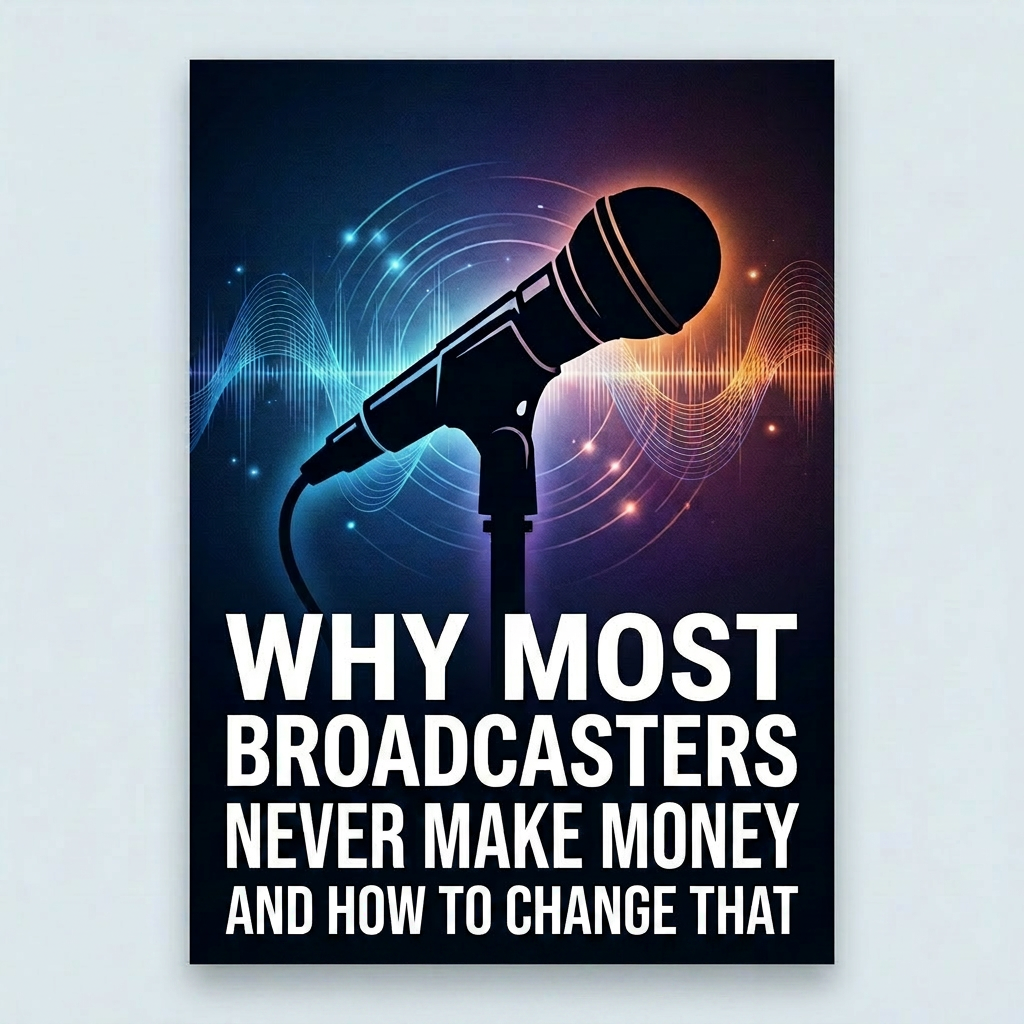
  • Why Most Broadcasters Never Make Money (And How to Change That)

    Why Most Broadcasters Never Make Money (And How to Change That)

    If you’ve ever worked in radio, podcasting, or media, you’ve probably heard this before:
    “There’s no money in broadcasting.”

    That statement is repeated so often that many talented voices start to believe it. But here’s the truth — the problem is not the industry. The problem is how broadcasters position themselves within it.

    I’ve spent years in media, and one thing became very clear: being good on air is not enough. Talent will get you noticed, but it won’t necessarily get you paid.

    The Real Problem: Skills Without Strategy

    Most broadcasters rely on:

    • Their voice
    • Their presence
    • Their passion

    But they stop there.

    What’s missing is strategy — specifically, how to turn those skills into something people are willing to pay for.

    What Broadcasters Get Wrong

    Broadcasters often:

    • Wait for opportunities instead of creating them
    • Depend on salaries instead of building income streams
    • Separate their personal brand from their professional skills

    This is why many remain stuck, even after years in the industry.

    What You Should Do Instead

    If you want to make money from your voice and media skills, you need to shift your mindset from employee to asset.

    Here’s how:

    1. Package Your Skill

    Your voice is not just for broadcasting. It can be used for:

    • Voice-over work
    • Content creation
    • Podcast production
    • Training and coaching

    2. Build a Personal Brand

    People don’t just pay for skills — they pay for people they trust.

    Start showing:

    • What you know
    • What you’ve learned
    • What you can help others achieve

    3. Create Value Beyond the Mic

    Your experience in media has taught you more than delivery. It has taught you:

    • Communication
    • Persuasion
    • Audience engagement

    These are high-income skills when positioned correctly.

    The Shift That Changes Everything

    The moment you stop asking:
    “Where can I work?”

    …and start asking:
    “What problem can I solve with my skills?”

    That’s when income opportunities open up.

    Final Thoughts

    Broadcasting is not a dead-end career. It’s actually one of the most powerful foundations for building a modern, flexible income — if you know how to use it.

    The industry hasn’t failed broadcasters.
    Broadcasters have just not been shown how to monetise themselves.


    Work With Me

    I help professionals turn their communication skills into income through storytelling, branding, and content strategy.

    If you’re ready to stop relying on one income stream and start building something of your own, reach out:

    📧 [ntumelangk@gmail.com]

    LELO

    Reflections In Motion is a platform dedicated to helping professionals turn their skills, stories, and experiences into meaningful growth and income opportunities.

  • What Can You Actually Sell as a Broadcaster?

    What Can You Actually Sell as a Broadcaster?

    At some point, many broadcasters ask the same question:

    “What else can I do with this?”

    Not out of frustration—but out of curiosity.

    Because you start to realise that your value doesn’t begin and end in the studio.

    But then comes the uncertainty:

    “What exactly can I offer?”

    The answer is simpler than most people expect.

    You don’t need to start from scratch.

    You need to recognise what you already have.


    Your Voice Is a Product

    Your voice is not just a tool for broadcasting.

    It’s a service.

    It can be used for:

    • voice-over work
    • adverts
    • narration
    • corporate recordings

    Businesses are constantly looking for voices that can communicate clearly and professionally.

    And that’s something broadcasters are already trained to do.


    Your Communication Skills

    Broadcasting sharpens how you express ideas.

    You learn to:

    • speak clearly
    • structure thoughts
    • engage different audiences

    That translates directly into:

    • public speaking
    • event hosting
    • panel moderation
    • brand presentations

    These are skills many people struggle with—but for broadcasters, they are second nature.


    Your Thinking Process

    One of the most overlooked assets is how you think.

    Broadcasters learn to:

    • create content quickly
    • structure conversations
    • guide narratives

    That opens doors to:

    • content strategy
    • script writing
    • consulting
    • coaching

    You’re not just delivering content.

    You understand how to build it.


    Your Experience

    Time in broadcasting gives you insight that others don’t have.

    You understand:

    • audience behaviour
    • timing
    • tone
    • engagement

    That experience can become:

    • training sessions
    • workshops
    • mentorship
    • consulting for brands or media teams

    What feels normal to you is valuable to someone else.


    Your Audience (If You Build It)

    If you’ve started building outside the studio, your audience becomes an asset.

    Not just in numbers—but in trust.

    That creates opportunities for:

    • brand partnerships
    • collaborations
    • sponsored content

    But this only works if the connection exists beyond the platform.


    The Real Block

    The challenge is not a lack of skills.

    It’s a lack of clarity.

    Many broadcasters:

    • don’t define what they offer
    • don’t package their skills
    • don’t position themselves beyond their job title

    So the value stays hidden.


    A Different Way to Think

    Instead of asking:

    “What else can I do?”

    Start asking:

    “What do I already do well—and who needs it?”

    That question changes everything.

    Because it shifts you from:

    • uncertainty
      to
    • opportunity

    A Quiet Reminder

    You don’t need permission to start offering your skills.

    You need clarity.

    And the willingness to see your experience differently.


    A Quiet Invitation

    If this resonates, it may be because you’ve started to see that your value goes beyond the studio.

    From Broadcaster to Brand explores how to take those skills and turn them into something more structured, more intentional, and more sustainable.

    📘 Find From Broadcaster to Brand on Amazon here:
    👉🏽 https://www.amazon.com/author/kgalalelontumelang

    If you’d like more reflections like this, consider subscribing to the blog. It’s a space for broadcasters who are learning to recognise their value—and build with it.

    💬 I’d love to hear from you:
    Which of these do you think you could start offering first?

    LELO

  • You Can Be Visible and Still Be Powerless

    You Can Be Visible and Still Be Powerless

    Visibility looks like power.

    People recognise you.
    They hear your voice.
    They engage with your content.

    From the outside, it seems like you’ve made it.

    But visibility can be misleading.

    Because being seen is not the same as being in control.


    The Illusion of Being “Out There”

    Broadcasting puts you in front of people.

    You’re heard.
    You’re followed.
    You’re part of conversations.

    And over time, it can feel like you’ve built something solid.

    But much of that visibility exists within systems you do not own.

    The station decides when you’re on air.
    The platform decides who sees your content.
    The structure shapes your reach.

    So while you are visible, your presence is still dependent.


    When Visibility Is Borrowed

    Most broadcasters operate within borrowed spaces.

    A radio station.
    A media platform.
    A social media account.

    These spaces give you reach—but they also define your limits.

    They can amplify you.
    But they can also reduce your visibility just as quickly.

    And when that happens, many realise something uncomfortable:

    The visibility was never fully theirs.


    Attention vs Power

    It’s easy to confuse attention with power.

    Attention means:

    • People are watching
    • People are listening
    • People are reacting

    Power means:

    • You can reach your audience directly
    • You control your message
    • You are not dependent on a single platform

    Attention is temporary.

    Power is sustainable.


    Why Some Visible Voices Still Feel Stuck

    Some broadcasters are widely recognised—but still feel uncertain about their future.

    Not because they lack talent.

    But because their visibility hasn’t translated into independence.

    They are known, but not in control.
    Heard, but not anchored.

    And that creates a quiet tension:

    “How can I be this visible… and still feel this limited?”


    The Shift From Being Seen to Being Positioned

    Visibility puts you in front of people.

    Positioning gives that visibility direction.

    It defines:

    • What you stand for
    • How people understand you
    • Why they should continue following you beyond one platform

    Without positioning, visibility fades when the platform changes.

    With positioning, your audience follows you—because they are connected to you, not just where you appear.


    Building Beyond Visibility

    The goal is not to reject visibility.

    It is to build beyond it.

    To move from:

    • being seen
      to
    • being established

    This is where ownership matters.

    When you create spaces where your voice lives independently—
    you begin to turn visibility into something more stable.

    Something that can grow with you.


    A Quiet Reminder

    Visibility can open doors.

    But it does not guarantee stability.

    Ownership, clarity, and direct connection are what turn visibility into something lasting.


    A Quiet Invitation

    If this resonates, it may be because you’ve experienced the gap between being seen and being in control.

    From Broadcaster to Brand explores how to move beyond visibility—towards ownership, positioning, and long-term sustainability in your career.

    📘 Find From Broadcaster to Brand on Amazon here:
    👉🏽 https://www.amazon.com/author/kgalalelontumelang

    If you’d like more reflections like this, consider subscribing to the blog. This is a space for broadcasters who want to build something that lasts—beyond attention, platforms, and temporary visibility.

    💬 I’d love to hear from you:
    Have you ever felt visible—but not in control?

    LELO

  • Preparing Broadcasters for Life Beyond Contracts

    Preparing Broadcasters for Life Beyond Contracts

    For many broadcasters, preparation only begins when the contract is already ending.

    That’s when the panic starts.
    That’s when the networking begins.
    That’s when the CV is updated.

    But by then, you’re reacting — not building.

    The truth is uncomfortable:
    The best time to prepare for life after broadcasting is now. It is essential to do so while you are still comfortably inside it.

    Not because something is wrong.
    But because nothing in the media is permanent.


    1. Separate Your Identity from the Station

    Your employer is a platform.
    You are the asset.

    When you confuse the two, you attach your relevance to access.

    Start asking yourself:

    • What do I represent beyond this frequency?
    • What perspective do I consistently bring?
    • What problems do I solve?

    If your value disappears when the logo disappears, it was never fully yours.

    Preparation begins with ownership.


    2. Document What You Know

    Broadcasters accumulate experience quietly:

    • Interview techniques
    • Audience psychology
    • Storytelling rhythm
    • Crisis management
    • Script structuring

    But very few document this knowledge.

    Start writing.
    Start sharing.
    Start packaging insights.

    Your lived experience is intellectual property. Treat it that way.


    3. Build a Personal Platform — Even a Small One

    You do not need millions of followers.

    You need a space you control.

    That could be:

    • A simple website
    • A blog
    • A newsletter
    • A podcast
    • A professional LinkedIn presence

    The goal is not visibility for ego.
    The goal is ownership for sustainability.

    When the contract ends, your voice should still have somewhere to land.


    4. Develop Transferable Income Streams

    Most broadcasters only monetize airtime.

    But your skills extend beyond the studio:

    • Voice-over work
    • Moderation
    • Media training
    • Public speaking
    • Editing
    • Consulting

    Start small. Quietly. Ethically.

    Diversification is not disloyalty.
    It is maturity.


    5. Shift from Being Chosen to Choosing Yourself

    Broadcasting conditions you to wait for permission.

    But sustainable careers are built by people who create, not only audition.

    Pitch your own ideas.
    Start your own projects.
    Collaborate independently.

    The confidence to choose yourself is the greatest preparation you can build.


    6. Build Relationships Beyond the Industry

    When contracts end, many broadcasters realise their network was limited to colleagues.

    Expand intentionally:

    • Entrepreneurs
    • Creatives
    • Educators
    • Business owners

    Your next opportunity might not come from radio at all.

    And that is not failure — that is evolution.


    Preparation Is Not Paranoia

    Preparing for life beyond broadcasting does not mean you expect to fail.

    It means you respect the reality of the industry.

    Contracts end.
    Formats change.
    Leadership shifts.

    But when you have built something portable — your brand, your voice, your perspective — change becomes transition, not collapse.

    The goal is not to leave broadcasting.

    The goal is to never feel trapped by it.


    A Quiet Invitation

    If this resonates, it’s because you already sense that your voice carries value beyond one platform.

    From Broadcaster to Brand was written for broadcasters who want to build relevance and sustainability without becoming performative or self-promotional. It explores how to separate identity from employment and build something that lasts beyond contracts.

    📘 You can find From Broadcaster to Brand on Amazon here:
    👉🏽 https://www.amazon.com/author/kgalalelontumelang

    If you’d like more reflections like this, subscribe to the blog. You can join a growing community of broadcasters. They are learning to choose themselves intentionally and ethically.

    💬 I’d love to hear from you in the comments:
    What is one thing you could start building today that does not depend on your contract?

    LELO

  • Navigating Identity Crisis in Broadcasting Contracts

    Navigating Identity Crisis in Broadcasting Contracts

    For most broadcasters, the contract ending isn’t just an administrative moment.
    It feels like an identity crisis.

    One day, you’re introduced by your station name.
    Next, your access card stops working.

    And suddenly, the question hits hard:
    “Who am I without this platform?”

    That panic is more common than people admit—and it has very little to do with money.


    The Industry Trains Us to Borrow Identity

    Broadcasting rewards visibility, but it rarely teaches ownership.

    You become:

    • “The morning show producer”
    • “The news voice at 7 pm”
    • “That presenter from…”

    Over time, the role replaces the person.

    So when a contract ends, it doesn’t feel like a job loss—it feels like erasure.

    The problem isn’t that the work stopped.
    The problem is that your identity lived inside someone else’s system.


    Platforms Create Comfort, Not Security

    A regular schedule, a recognisable brand, a steady audience—these things create comfort.

    But comfort is not the same as security.

    Stations can change formats.
    They can restructure.
    They can cut budgets.
    They can replace voices overnight.

    And when your relevance is tied to access rather than ownership, panic becomes inevitable.

    Real security comes from transferable value, not renewable contracts.


    Many Broadcasters Never Build Outside the Studio

    This is the quiet truth.

    While employed, many broadcasters postpone:

    • Building a personal platform
    • Owning a website
    • Developing independent audiences
    • Packaging their skills beyond airtime

    There’s an unspoken belief that loyalty to the station requires silence elsewhere.

    So when the contract ends, there’s no backup. This occurs not because of a lack of talent. It is due to a lack of preparation.


    We’re Taught to Be Chosen, Not to Choose Ourselves

    Broadcasting is a gatekept industry.

    You audition.
    You wait.
    You’re selected.

    Over time, this has led broadcasters to depend on permission.

    So when the gate closes, panic follows—not because opportunities are gone, but because permission is no longer being granted.

    The shift from being chosen to choosing yourself is uncomfortable—but necessary.


    Panic Is a Signal, Not a Failure

    That panic isn’t weakness.
    It’s awareness arriving late.

    It’s the moment you realise:

    • Your voice has value beyond one platform
    • Your experience is transferable
    • Your audience connection doesn’t disappear with a contract

    The panic is simply asking:
    “Why didn’t I start sooner?”


    The Broadcasters Who Don’t Panic Do One Thing Differently

    They separate the platform from the brand early.

    They understand:

    • The station is a channel, not an identity
    • Their voice is an asset
    • Their perspective is portable

    So when contracts end, they transition instead of collapsing.

    They move from asking,
    “Where will I work next?”
    to
    “Where else can my voice serve?”


    A Quiet Invitation

    If this post stirred something in you, you’re not alone.

    From Broadcaster to Brand was written for broadcasters who sense their voice carries value beyond contracts. Yet, they haven’t always known how to claim it. The book explores identity, ownership, and sustainability in a way that doesn’t require hype, reinvention, or selling your soul.

    📘 You can find From Broadcaster to Brand on Amazon here:
    👉🏽 https://www.amazon.com/author/kgalalelontumelang

    If you’d like more reflections like this, subscribe to the blog. Join a growing community of broadcasters learning to choose themselves—intentionally and ethically.

    💬 I’d love to hear from you in the comments.
    Please share your thoughts on a contract ending. What was the hardest part for you?

    LELO